The Role of Digital Transformation in Business
- Jan 17, 2025
- 3 min read
In today’s fast-paced business world, staying ahead means embracing change. One of the most powerful ways to do this is through digital transformation strategies. These strategies help businesses like yours streamline operations, improve decision-making, and accelerate growth. I’m excited to share insights on how you can leverage these strategies to unlock your company’s full potential.
Why Digital Transformation Strategies Matter
Digital transformation strategies are not just buzzwords. They are essential plans that guide how you integrate technology into every aspect of your business. When done right, these strategies can:
Increase efficiency by automating routine tasks.
Enhance customer experience through personalized services.
Improve data-driven decisions with real-time analytics.
Boost collaboration across teams and departments.
For example, imagine replacing manual inventory tracking with an automated system that updates stock levels instantly. This reduces errors and frees up your team to focus on more strategic tasks. That’s the power of a well-crafted digital transformation strategy!

Key Digital Transformation Strategies to Implement Today
Let’s dive into some practical digital transformation strategies you can start using right now:
1. Adopt Cloud-Based ERP Solutions
Cloud ERP systems like Microsoft Dynamics 365 Business Central offer flexibility and scalability. They allow you to access your business data anytime, anywhere, and from any device. This means your team can collaborate seamlessly whether they’re in the office or working remotely.
2. Automate Business Processes
Look for repetitive tasks that can be automated. This could include invoicing, payroll, or customer follow-ups. Automation reduces human error and speeds up workflows, giving you more time to focus on growth.
3. Leverage Data Analytics
Use analytics tools to gain insights into customer behavior, sales trends, and operational performance. These insights help you make smarter decisions and identify new opportunities.
4. Enhance Customer Engagement
Implement digital channels like chatbots, social media, and personalized email campaigns. These tools help you connect with customers more effectively and build lasting relationships.
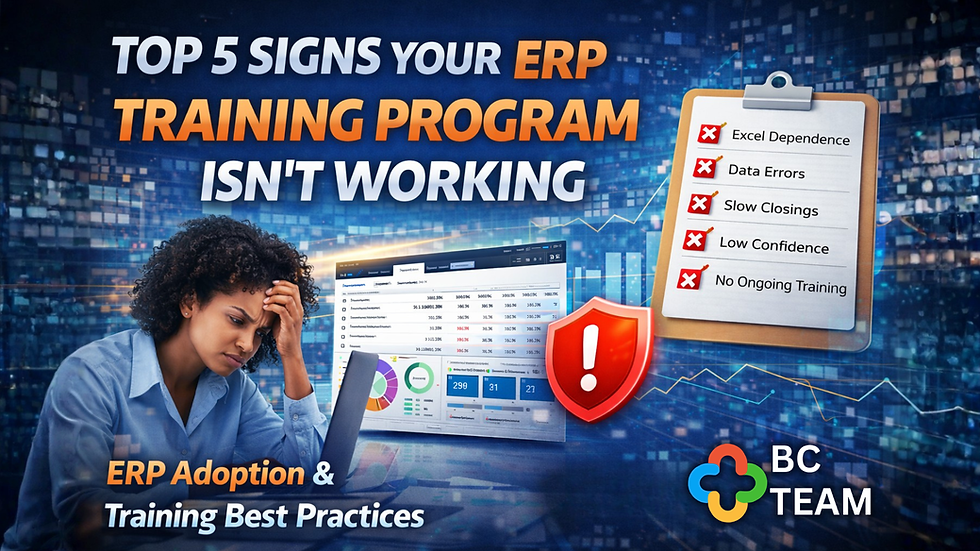
5. Invest in Employee Training
Technology is only as good as the people using it. Provide ongoing training to ensure your team is comfortable and proficient with new tools and systems.
By focusing on these strategies, you’ll create a strong foundation for digital transformation that drives real results.

How to Overcome Common Challenges
Digital transformation is exciting, but it can also be challenging. Here’s how to tackle some common obstacles:
Resistance to Change: Communicate the benefits clearly and involve your team in the process. When people understand how technology makes their work easier, they’re more likely to embrace it.
Budget Constraints: Start small with high-impact projects. Cloud solutions often have flexible pricing, so you can scale as your business grows.
Data Security Concerns: Choose reputable vendors and implement strong security protocols. Protecting your data builds trust with customers and partners.
Integration Issues: Work with experts who understand how to connect new systems with your existing infrastructure smoothly.
Remember, every challenge is an opportunity to learn and improve. With the right mindset and support, you can navigate the transformation journey successfully.
The Impact of Digital Transformation in Business
I’ve seen firsthand how embracing digital transformation in business can revolutionize operations. One client, a mid-sized retailer, integrated Microsoft Dynamics 365 Business Central to unify their sales, inventory, and customer data. The result? They reduced order processing time by 40% and increased customer satisfaction scores significantly.
This example shows that digital transformation is not just about technology—it’s about creating smarter workflows and better experiences. When you invest in the right tools and strategies, your business becomes more agile and competitive.

Taking the Next Step Toward Growth
Now that you understand the power of digital transformation strategies, it’s time to take action. Here’s a simple roadmap to get started:
Assess Your Current State: Identify areas where technology can add value.
Set Clear Goals: Define what success looks like for your business.
Choose the Right Tools: Select solutions that fit your needs and budget.
Develop a Plan: Outline steps, timelines, and responsibilities.
Engage Your Team: Communicate and train to ensure smooth adoption.
Measure Progress: Use KPIs to track results and adjust as needed.
By following this roadmap, you’ll build momentum and create lasting change. Remember, digital transformation is a journey, not a one-time event. Stay committed, and you’ll see your business thrive.
Embracing digital transformation strategies is your ticket to a more efficient, customer-focused, and data-driven business. With the right approach, you can unlock new opportunities and accelerate growth like never before. Ready to start your transformation journey? Let’s make it happen!


Comments